One of customers’ biggest concerns today (particularly in light of more automated customer transactions) revolves around the security of their personal identifiable information (PII). At the same time, however, customers like their transactions to be quick, efficient and non-repetitive. Companies are having to engage in a balancing act; namely, keeping customer transactions and data secure from fraudsters while, at the same time, making the interactions easy and speedy.
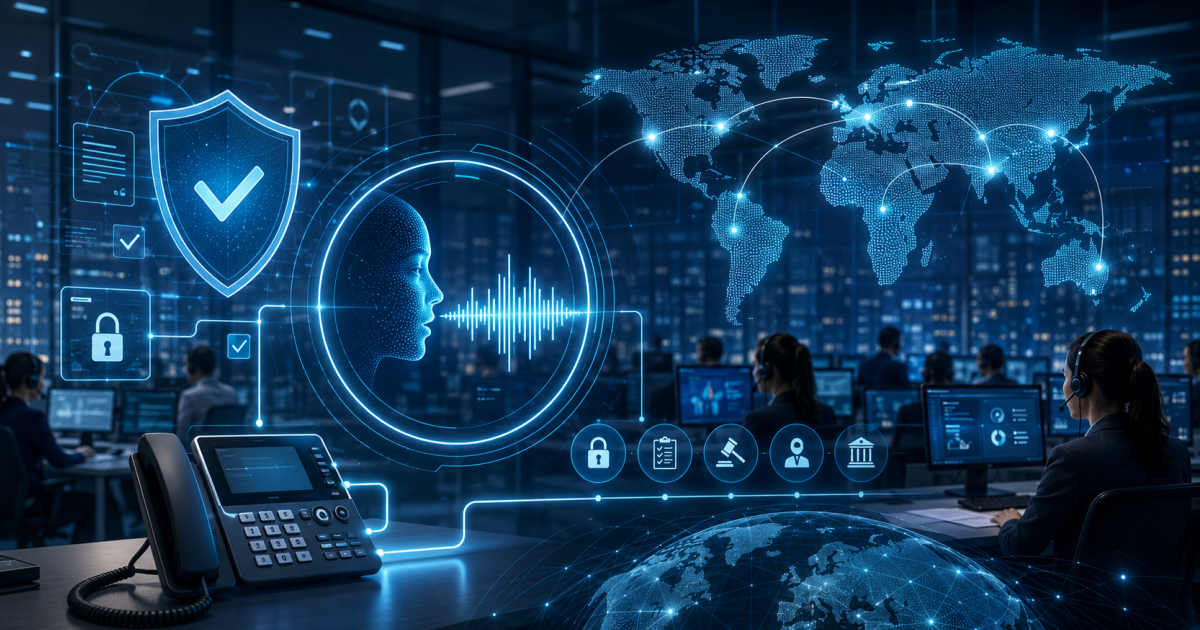
So, AI communications automation solutions provider IntelePeer recently announced a partnership with voice authentication and security company Pindrop. Under the terms of the partnership, Pindrop Passport and Pindrop Protect are now available via IntelePeer’s AI-powered solutions. With this Pindrop integration, contact centers can receive the intelligence they require to quickly authenticate callers, enabling the automation of more complex customer interactions.
The two companies have joint customers in FinServ, insurance and healthcare, so the extended partnership is expected to provide customers with the ability to increase the types and complexity of interactions that can be automated while also helping protect against fraud in the contact center. The Pindrop solution’s approach analyzes an inbound caller's voice, device, behavior, network and risk patterns to enable frictionless authentication of inbound callers. Pindrop Passport is a multi-factor authentication (MFA) solution that passively authenticates callers as they naturally engage with a call center, providing seamless and secure account access while maintaining a smooth customer experience. Pindrop Protect provides insights on each call, assessing risk based on factors that fraudsters can’t control.
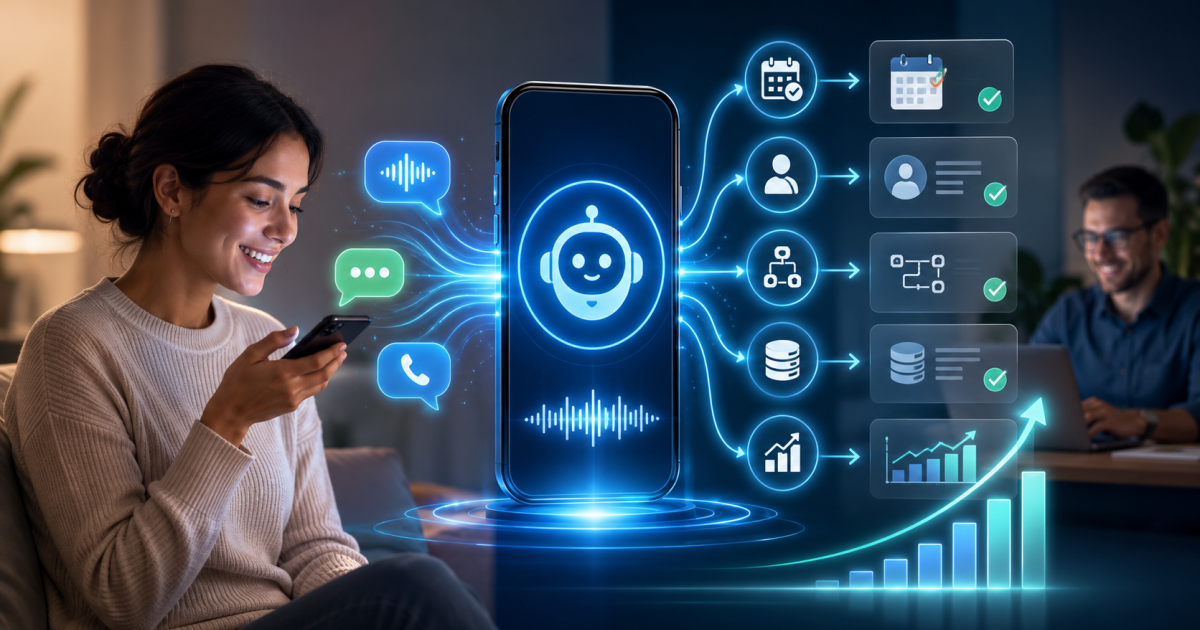
"One of the hardest parts of operating a contact center is the validation of a caller’s identity which is critical for executing more sensitive transactions,” said IntelePeer CEO Frank Fawzi. “This is just as much of a challenge with self-serve automation using AI Agents. Pindrop’s caller authentication capabilities allow businesses to provide more meaningful self-serve opportunities to customers – from checking account balances, to transferring funds, making payments, and placing orders. In addition, we’re also delivering more intricate use cases that can be handled via automation which is a testament to our long-term vision of reinventing the contact center through customer self-service automation."
Edited by
Alex Passett